
The 2023–24 export BYD Dolphins covered here are now around two to three years old — and a pattern has settled in, not the one early sceptics predicted. Owners praise the hardware: the build, the battery, the efficiency. What they report with far less warmth is the software’s manners, the parts-and-service experience, and — on the earliest cars — slow DC charging. A note on method before the verdict: this page is a synthesis of owner reports and published long-term tests, not a two-year test of our own. If you commute in a city and charge at home, the Dolphin remains one of the easiest EVs to recommend in its class. If your life involves regular motorway fast-charging, read the second half first.
Which Dolphin these reports are about
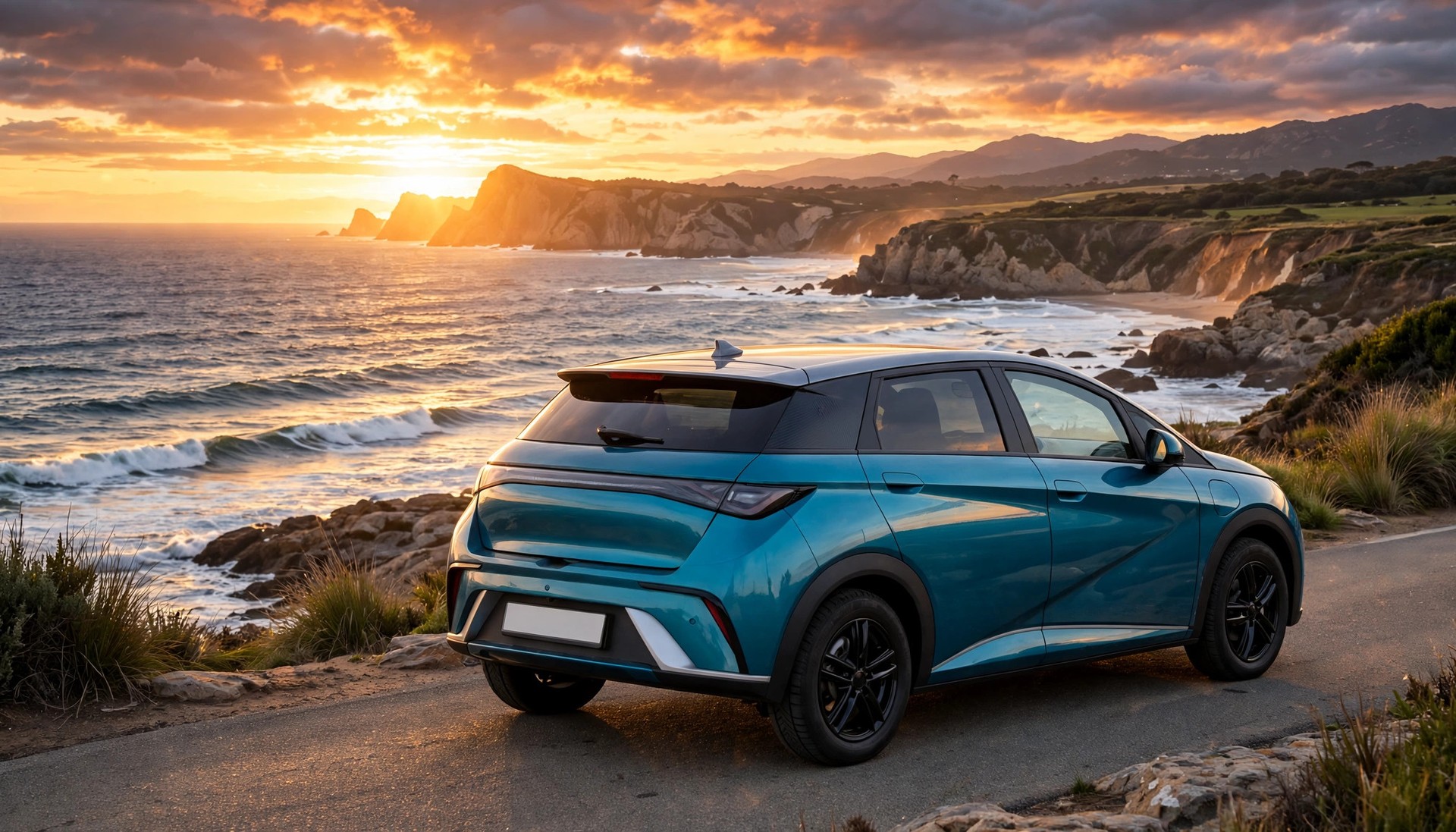
Most of the long-term evidence concerns the 2023–24 export cars: the 4,290 mm long-body version sold in the UK, Europe, Australia and New Zealand, on the same 2,700 mm wheelbase and with the same cabin space as the shorter Chinese-market original. (That export version earned five-star Euro NCAP and ANCAP ratings in 2023.) Shared dimensions do not mean identical cars — power outputs, suspension, charging speeds and tyre fitments vary by market and trim, and later cars differ again, so treat the figures here as belonging to the versions named. Range is WLTP: 427 km for the 60.48 kWh car; the 44.9 kWh car is rated at 340 km in Dynamic form, while the higher-power Boost version is rated lower (195 miles, about 314 km, in the UK’s 2024 specification). Chinese-market figures are CLTC and do not transfer. UK warranty terms as of October 2026: a basic warranty of six years/150,000 km, the drive unit covered for eight years/150,000 km, and — under a BYD UK announcement of January 2026 — the Blade battery extended to eight years/250,000 km down to a minimum 70% state of health, for eligible new and existing cars, with the usual whichever-comes-first terms and usage exceptions.
Why owners praise the hardware
Start with the people who have actually lived with the car. In a UK owners’ group thread asking whether to buy a one- or two-year-old Dolphin, replies from two- and three-year owners were strikingly consistent: “as good as new”, “faultless and fun to drive”, one three-year car called “fantastic” right after passing its first MOT. Build quality and the length of the warranty were the two things owners praised unprompted.
Published long-term tests point the same way. Auto Express ran a Dolphin Design in the UK for six months and 6,017 miles and recorded zero faults, concluding that “any fears I had about a Chinese car not matching European rivals for quality soon vanished”. The extreme anecdote comes from Brazil, where a ride-hail Dolphin was reported — in a Czech roundup of owner and fleet reports — to have covered about 220,000 km in roughly two years on its original brake pads and discs. Take it for what it is: a different market, an unverified service history, and a displayed range figure that is not a measured battery capacity. It suggests durability; it does not prove it, and it says nothing directly about the European or Australian cars.
Efficiency is the best-documented strength. Carwow’s testing recorded 4.0 mi/kWh; Electrifying.com’s UK long-term test reported better than 4 mi/kWh around town, with efficiency dropping off above 50 mph; and WhichCar’s Australian comparison measured 14.9 kWh/100 km — dividing the 60.48 kWh capacity by that figure gives roughly 406 km, a rough estimate that assumes the full capacity is usable, not a measured run from full to empty. Winter evidence needs an asterisk: in Norway’s NAF winter test the Dolphin’s result (339.2 km against a 427 km rating, about 20% down) came from a run interrupted by a puncture and a long stop, so it should not be ranked against other cars from that test. The strongest durability commitment is arguably contractual rather than anecdotal: since January 2026, BYD UK backs the Blade battery for eight years or 250,000 km to at least 70% health, including cars already sold. For the battery-care side, see the charging recommendations in selected LFP owner manuals, which include periodic 100% charges for calibration.
Running costs complete the case. WhichCar put scheduled servicing for an Australian Dolphin Premium at A$748 over three years at its quoted prices — about A$249 a year, for servicing only, not total running costs. On value, be careful to separate forecasts from facts: launch-era forecasts put three-year retained value at roughly half — RedBook, via WhichCar, predicted 47.8% for Australia. Current evidence is thinner but real: in October 2026, UK listings on Auto Express showed 2025 cars advertised at £16,100–£17,451 with 6,083–22,524 miles on them. A three-year-old Dolphin with most of an eight-year battery warranty still attached is, on paper, the sweet spot of the range.
What owners report with less warmth
The driver-assistance tuning. Several published reviews and owner reports converge on the same criticisms: lane-keeping that intervenes assertively, and unexpected collision warnings or braking interventions reported near roundabouts, alongside speed-limit recognition that misreads signs. Some owners and reviewers also report certain alerts returning at each start; behaviour varies by market and software version. We went through exactly which Dolphin warnings you can switch off and which you cannot in a separate guide — budget ten minutes with it into any test drive.
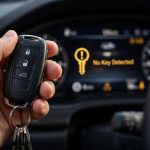
The 12V battery and the software around it. Owner-problem databases for the Dolphin list a familiar cluster: cars left parked for a week or two that will not unlock or start because the 12V battery has gone flat — a flat 12V can leave the car unusable until it is revived or replaced — a DiLink screen that freezes and recovers after a long press of the power button, and flaky CarPlay. UK owners report early 12V failures on pre-refresh cars. Electrifying.com’s long-term car had CarPlay that never worked from delivery; the follow-up report confirms the original car was returned after a software fix with CarPlay restored. The lesson is about early software polish and the time a fix can take, not a fault still present in 2026 — but it is the kind of history worth knowing before you buy an early car.
The tyres fitted to many test cars. Higher-spec Dolphins in several markets wear the Linglong Comfort Master in 205/50 R17 (smaller-wheel versions run 195/60 R16), and the criticism is consistent: not enough wet grip for an electric motor’s instant torque. New Zealand’s Driven long-term test advised replacing them straight away, and WhichCar found the car dealt clumsily with potholes on them. On a used car, check the actual brand, size, tread and age of all four tyres and judge the replacement budget from what you find.
DC charging depends on the car’s year. The UK’s 2024 specification lists the Comfort and Design at 88 kW, taking 40 minutes for 10–80%; BYD’s June 2025 UK specification raises that to 110 kW and 36 minutes. Australia’s official figure for the big-battery car is 80 kW, although WhichCar’s instrumented comparison recorded an 89 kW peak — treat the single test peak and the official rating as different kinds of number. Against the 64 kWh MG4 used in the comparison tests (140 kW, about 26 minutes for 10–80%), an early Dolphin spends roughly 14 minutes longer at each stop on the cited figures; the later 110 kW cars cut that penalty to about 10 minutes. Real-world conditions move all of these numbers, but the ordering is consistent: around town it is invisible, on long motorway days it is the early cars’ clearest weakness.
Parts and service waits. Two documented cases make the point without exaggeration. One UK owner of a two-year-old Dolphin reported a low-speed rattle diagnosed as an engine mount and damper replacement, with a three-week wait for parts. An Australian owner’s intermittent blind-spot false alerts were traced to a deformed bumper confusing the sensor; he praised the service he received — which did fix a seatbelt-pretensioner fault and recalibrate the lane assistance, with head-office support from Melbourne — but chose to leave the blind-spot alerts themselves unresolved. Individual waits and an escalation are not a network verdict — but they are the reality early owners have met, and they belong on the other side of the ledger from the warranty’s generous numbers.
Buying one used: the five-minute checklist
- Version and year: export cars are all the 4,290 mm version, but charging spec, trim details and equipment changed (a 2025 refresh altered details down to a lock switch on the front passenger door handle, owners report). Establish the car’s build year and which specification it follows.
- 12V battery: ask whether it has been replaced or has ever gone flat; check the car wakes, unlocks and boots cleanly after sitting.
- Software: confirm the latest over-the-air update is installed and actually test CarPlay or Android Auto — early cars had faults that software later fixed, so update history matters.
- Tyres: note brand, size, tread and age on all four corners; if they are the original Linglongs, price in a replacement set.
- Recall and warranty paperwork: ask a BYD dealer to check the VIN for outstanding recalls and obtain records of any required work; and check how much of the basic and battery cover remains, including whether the car qualifies for the extended battery terms announced in January 2026.
Our verdict
The Dolphin’s long-term story is almost the reverse of the usual new-brand story. Owners’ trust in the engineering — build, battery, efficiency — has run ahead of the software tuning and the support experience around it, and the warranty has since been extended to match the trust. Buy it as a city and suburban car, ideally used, ideally home-charged, and it is very hard to beat for the money. Buy an early car as a motorway mile-eater dependent on public fast charging, and its slower charging plus the assistance systems’ manners will remind you why it was cheap — a caveat that applies much less to the later 110 kW cars. Choose with your eyes open and the Dolphin rewards you; that is more than can be said for plenty of cars with longer badges and shorter warranties.